Outreach- Dale Junior High
Posted on by Cecilia CaballeroOrange County Astronomers are ready to share the love of the sky with our community.
Views: 2

Views: 2
Views: 0
Views: 3
Views: 4
Views: 1
This is a free and open to the public online event, to attend please register with zoom by clicking here.
Come and socialize with your fellow astronomy enthusiasts face-to-face virtually!
Bring your latest astrophotography, mini-presentation, questions or none and your own refreshments.
Views: 2
This is a free and open to the public online event, to attend please register with zoom by clicking here.
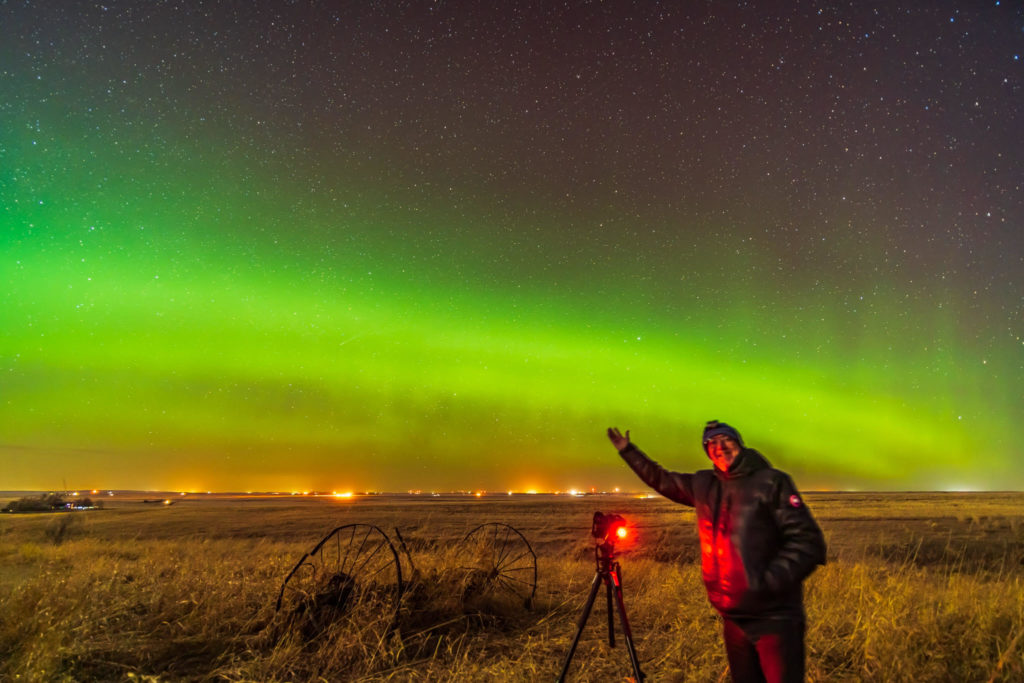
An aurora selfie taken during the display on April 16-17, 2021, with the Sony a7III and 15mm Laowa lens.
Alan will provide advice on when and where to see the sky sight that is on the “bucket list” for many people, the Northern Lights. He’ll include tips and techniques for capturing the aurora in stills, time-lapses and real-time movies. He’ll illustrate the talk with images taken in Yellowknife and Churchill in northern Canada, and in Norway, as well as from his home in Alberta, Canada.
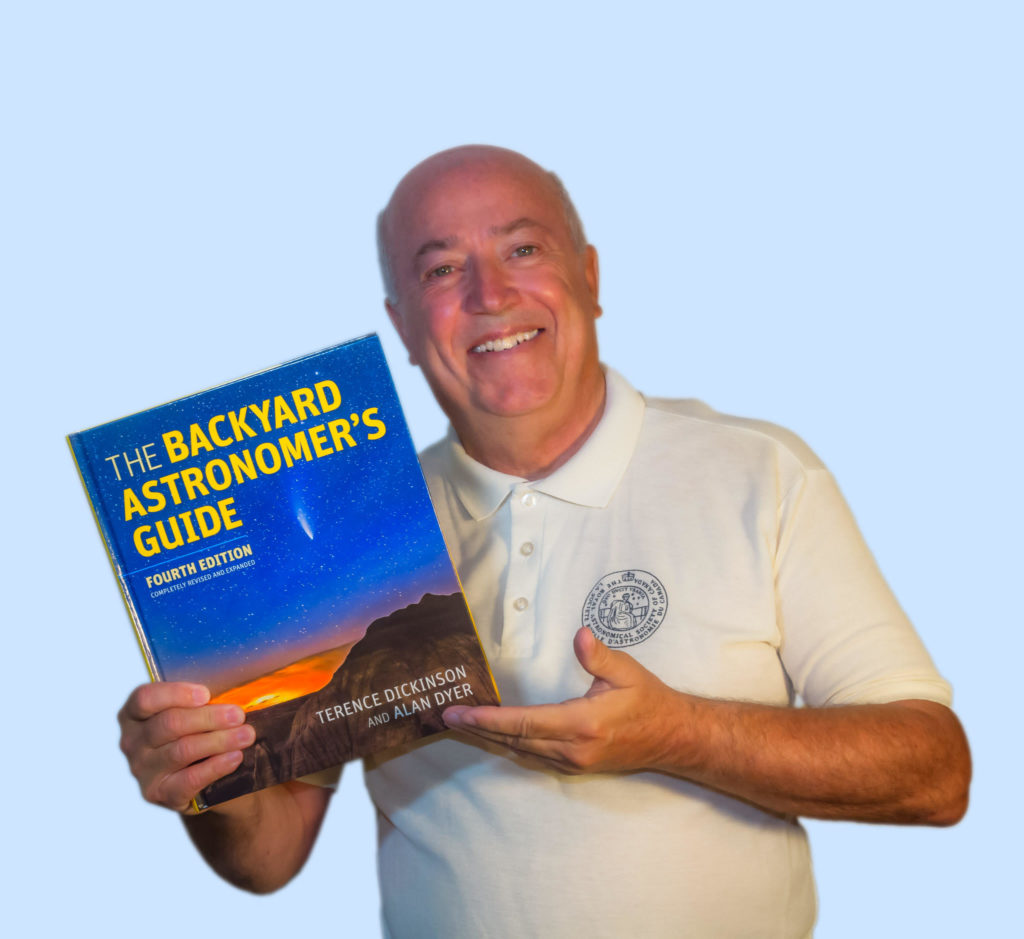
Alan is co-author of the popular guidebook for amateur astronomers, The Backyard Astronomer’s Guide, just out in a greatly revised and thoroughly updated fourth edition, and is author of the eBook, How to Photograph and Process Nightscapes and Time-Lapses. Alan lives in Alberta, Canada, where the Northern Lights often appear in his skies, but he also pursues the Lights to even more northern latitudes. Asteroid 78434 is named for him.
Views: 2
This is a free and open to the public online event, to attend please register with zoom by clicking here.
Come and socialize with your fellow astronomy enthusiasts face-to-face virtually!
Bring your latest astrophotography, mini-presentation, questions or none and your own refreshments.
Views: 3
This is a free and open to the public online event, to enjoy please follow the steps below:
1) Click here to register for attending the event
2) Click here to register for watching the movie
3) Click here for access to the scientific paper
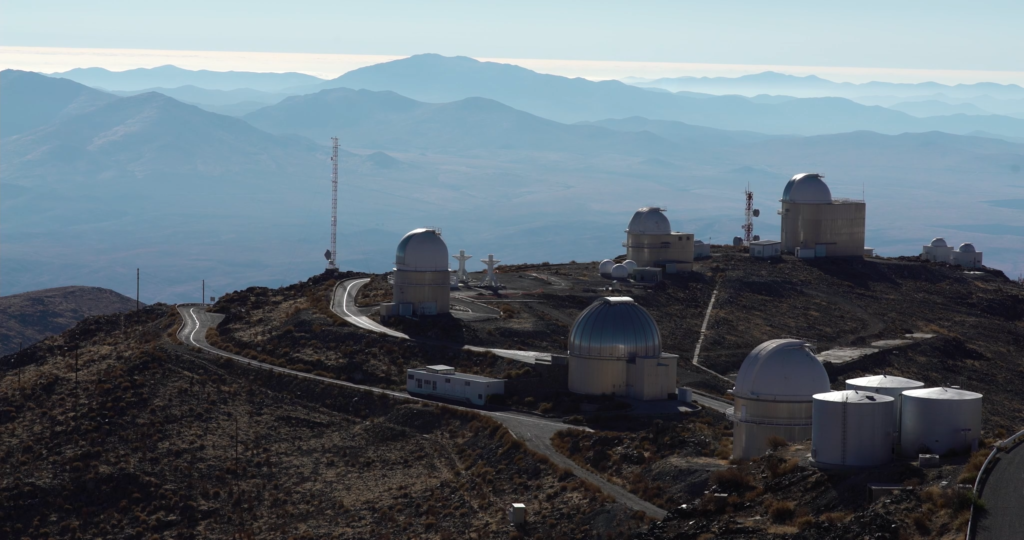
When astronomy professor Larry Molnar stumbles across a strange star, he and his students embark on a dramatic journey of scientific discovery that brings their unlikely team into the international spotlight.
Luminous tells the story of the first astronomer in history to publicly predict the near-future explosion of a star – if he’s right, 2022 will see the closest thing to a supernova in the skies of earth in 400 years, and every school kid in the northern hemisphere will know it. But the prediction is high risk. Others in the astronomical community are skeptical, and Larry’s professional reputation hangs in the balance. Luminous, a feature documentary by award-winning filmmaker Sam Smartt (Wagonmasters), follows Larry’s journey to test his unprecedented prediction, knowing that its success or failure will unfold squarely in the international spotlight.
Humans have long been fascinated by stellar explosions when they appear as new stars – novae – in the night sky. But predicting the event in advance and watching it occur has so far proved impossible, both because of the sheer number of stars in our galaxy and because of the improbability of finding one that would explode within the lifetime of the observer. Indeed, using a telescope to find a star in its last century of life is like using a satellite to find a human being taking her final breath. It’s a task most astronomers don’t think is possible.
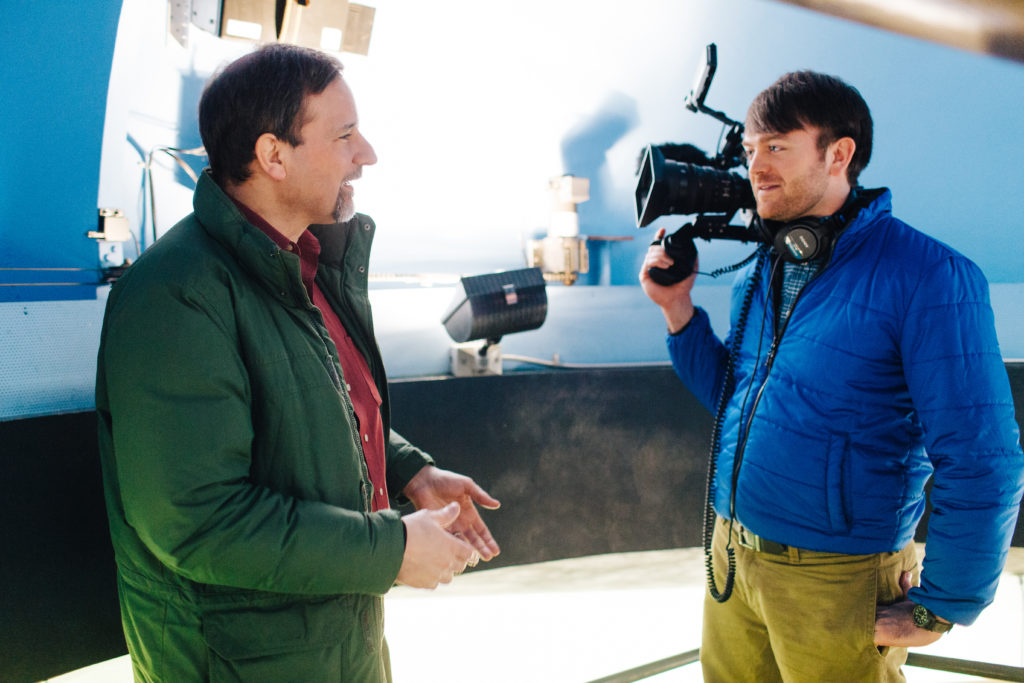
Larry Molnar is a professor of Physics and Astronomy at Calvin University in Grand Rapids, MI. He earned his PhD from Harvard University in 1985 and was a post-doctoral fellow at the Harvard- Smithsonian Center for Astrophysics from 1985-1988. Before coming to Calvin, Larry taught at the University of Iowa from 1988-1998.
In many ways, Larry is an unlikely protagonist for this story. Though brilliant, he is mild-mannered, kind, unassuming, and not a seeker of the limelight. He believes in intellectual curiosity for its own sake, not in accomplishing great things in order to garner attention.
For the audience, the central dramatic question of the film is clear— “Is Larry right? Will the star actually explode?” But as a scientist Larry sees it differently: “In a sense, I don’t care whether I’m right or not. What I want to know is the truth.”
Sam Smartt is an award-winning documentary filmmaker and associate professor of Film & Media at Calvin University in Grand Rapids, MI. He earned his MFA in documentary filmmaking from the Documentary Film Program at Wake Forest in 2013.
His short, Wagonmasters (2013) won a College Television Award and was distributed via American Public Television, PBS, and Kanopy. Shipping Home (2016) was also distributed via Kanopy. He enjoys telling stories about characters who defy our categories and challenge our expectations.
Views: 4
This is a free and open to the public online event, to attend please register with zoom by clicking here.
The “What’s Up?” presentation at this meeting will feature an android app called “Mobile Observatory” those interested are advised to install it on their cell phone before the meeting by clicking here and then download the extended catalogue within the app.
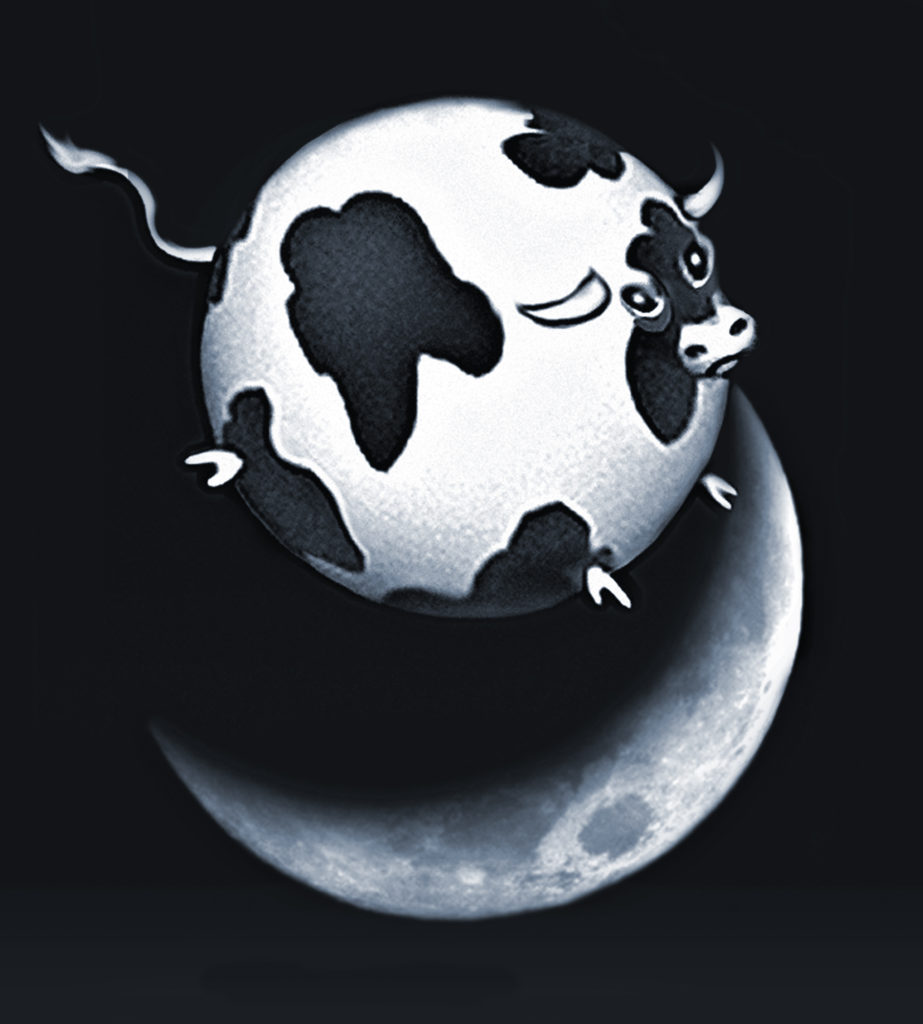
Stars are the sources of all the light we see in the universe. Whether we are investigating our own celestial neighborhood
or the most distant corners of the universe, we use stars as our beacons. The universe is mostly made of dark energy, and galaxies and clusters mostly of dark matter. But it is stars like our sun that trace them all. Stars are not eternal balls of gas churning out energy from their nuclear furnaces. They are born, they live, and they die. The birth of stars is particularly important as it can be traced back to the birth and evolution of galaxies across cosmic times. I will review progress over the past decade in understanding how stars form out of the gas clouds that pervade galaxies, and how this has helped with furthering our understanding of the universe. Space missions, as well as advanced ground-based telescopes, have played key roles in advancing our knowledge. With many challenges still ahead of us, the way forward will require innovative thinking for the future missions and facilities that will enable humanity one day to say, “We know where we came from.”
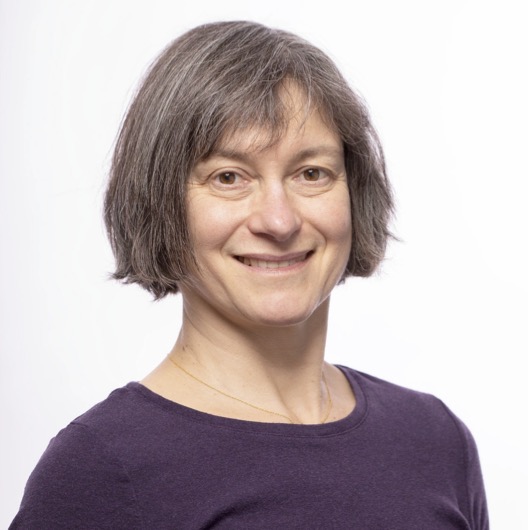
Daniela Calzetti is an astronomer recognized for her investigations on the interstellar dust and star formation in external galaxies. Calzetti obtained her PhD at the University of Rome in 1992. In 1990, she became first an ESA Fellow and then a postdoc at the Space Telescope Science Institute (Baltimore, MD, U.S.A.). Here, she was hired as an astronomer in 1995, and worked on characterizing and supporting instrumentation on the Hubble Space Telescope for NASA. In 2007, she moved to a faculty position at the University of Massachusetts, Amherst, where she is serving as the Head of the Astronomy Department since 2018. In 2013, she was named the Blaauw Professor at the Kapteyn Observatory (University of Gröningen, The Netherlands), and in 2016 she was awarded the Tage Erlander Guest Professorship by the Swedish Research Council, which she spent at the University of Stockholm (Sweden). Calzetti was elected to the National Academy of Sciences in 2020.
Views: 2