This is a free and open to the public hybrid event, held both inperson and online. Due to the newly effective insurance requirements, we regret that we can not allow people under 18 on the Chapman Campus, they are welcome to attend online.
This meeting’s speaker will present inperson from the Chapman University’s campus.
The [2nd] Great North American
Solar Eclipse
For the second time in just under seven years, the United States will experience another total solar eclipse (TSE) — the first such occultation since the total solar eclipse of August 21, 2017, which traced a path from the Oregon coastline to Charleston, South Carolina, observed by nearly 215 million people. On April 8th of next year, another TSE will be seen (weather cooperating) in the continental U.S. This event shall be the last such eclipse visible in the domestically, until August 23, 2044, followed by another TSE on August 12, 2045.
Like the 2017 event, many large cities lie in the path of totality — chief among them being San Antonio, Dallas-Fort Worth, Austin, and Waco, TX, as well as Indianapolis, IN, Cleveland, OH, and Buffalo and Rochester, NY.
The presentation shall focus on the overall circumstances of the April 8th eclipse, synoptic weather prospects for selected observation venues, as well as providing some helpful suggestions regarding preparations for those interested in attempting to view totality.
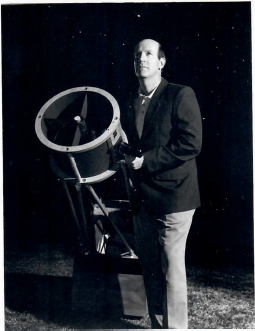
Professor Joel Harris has been traveling throughout the world to observe solar eclipses since 1973 — totaling 50 years of eclipse chasing, encompassing some 22 total eclipse events, and having spent over an hour within the lunar umbra.
His first eclipse experience was as part of a scientific team supporting the noted American solar astronomer, Dr. Donald Menzel of Harvard Observatory, in the Mauritanian Sahara Desert in 1973.
Professor Harris spent 17 years in the defense and aerospace industries as a senior systems engineer, having earned both his bachelor’s degree in electrical/electronic engineering, and his master’s in systems engineering.
He has been awarded the NASA Group Achievement Award for his public relations work as project information officer supporting the Galileo Project at Jet Propulsion Laboratory from 1982 – 1986, and was elected a Fellow of the Royal Astronomical Society in 2018.
Harris currently lives in Newbury Park, CA, with his wife of 23 years, Patti, their rescue dogs Bailey and Sadie, and his “B flat Grey Tabby” cat, Miranda.
Views: 7
NOTE: THE DECEMBER ASIG MEETING WILL BE HELD DECEMBER 8, 2023 AT 7 PM AT HMOC. WE RETURN TO OUR REGULAR SCHEDULE OF THIRD FRIDAY OF THE MONTH JANUARY 2024.
The monthly meeting of the Astrophysics Special Interest Group is at 7:00 PM every third Friday of the month at the Heritage Museum of Orange County. Please contact the ASIG chair for details at mark@ocastronomers.org .
Views: 0
THE NOVEMBER 2023 ASIG MEETING WILL NOT BE HELD AT HMOC. FOR INFORMATION PLEASE SEE THE ASIG NOVEMBER 23 AGENDA OR CONTACT THE ORGANIZER mark@ocastronomers.org .
The monthly meeting of the Astrophysics Special Interest Group is at 7:00 PM every third Friday of the month at the Heritage Museum of Orange County. Please contact the ASIG chair for details at mark@ocastronomers.org .
Views: 0
This is a free and open to the public hybrid event, held both inperson and online. Due to the newly effective insurance requirements, we regret that we can not allow people under 18 on the Chapman Campus, they are welcome to attend online.
This meeting’s speaker will present inperson from the Chapman University’s campus.
Brave New Worlds
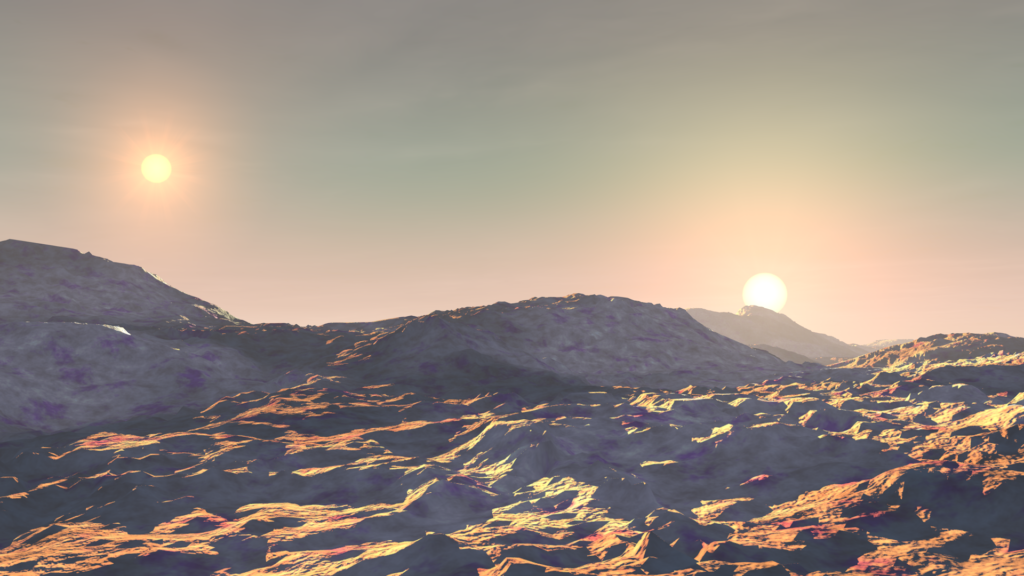
Thirty years ago, the astronomical world finally had an answer to one of the most profound questions humanity has ever asked: do the distant stars have worlds of their own? In the last three decades, we have gone from a handful of initial discoveries to an avalanche of information. Internationally published science illustrator and long time OCA member Chris Butler will bring it all together and offer his perspective of where we stand now, and what the implications are of all these brave new worlds.
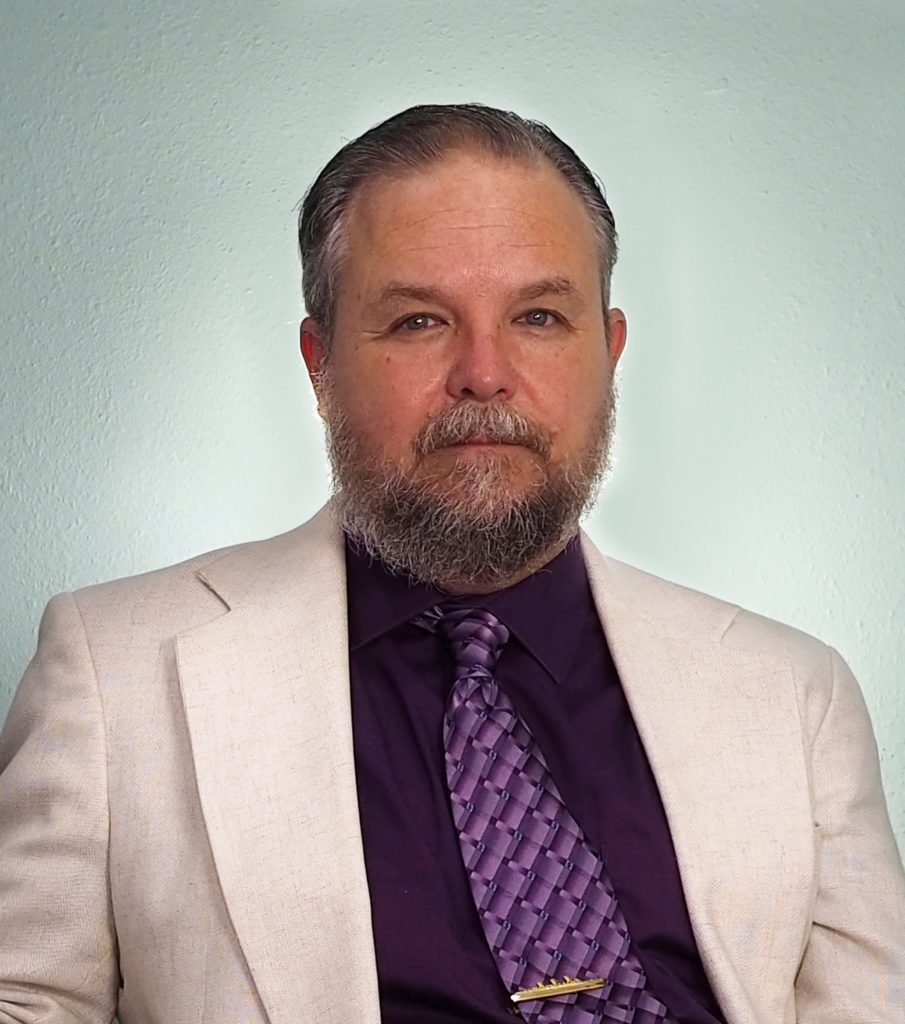
Chris Butler is an internationally published science and nature artist best known for his work on astronomical subjects and for his work as a science speaker and educator. Chris is the senior artist and animator for the Griffith Observatory in Los Angeles, where he has been involved in public program production and exhibit design for 26 years. Chris has been a member of the Orange County Astronomers since 1984, and has served as Vice President and a member of the Board. Chris holds memberships in numerous other astronomical organizations, is a Fellow of the Royal Astronomical Society, and was honored to have an asteroid named after him by the International Astronomical Union.
Views: 6
This is a free and open to the public hybrid event, held both inperson and online. Due to the newly effective insurance requirements, we regret that we can not allow people under 18 on the Chapman Campus, they are welcome to attend online.
This meeting’s speaker will present inperson from the Chapman University’s campus.
RACING WITH THE MOON
DANCING WITH THE STARS
In RACING WITH THE MOON / DANCING WITH THE STARS. Richard Lederer, Ph.D., will share the etymology of words and phrases derived from our moon sun, galaxy and the stars. He’ll also welcome your questions about the English language — puns to punctuation, pronouns to pronunciation, and palaver to palindromes.
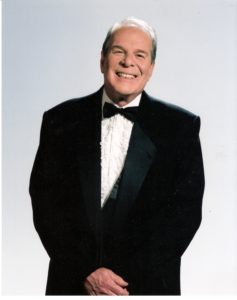
San Diego Union-Tribune language columnist Richard Lederer, Ph.D., is the author of 60 books about language, history, and humor, including his best-selling Anguished English series and his current title, Lederer’s Language & Laughter.
He is a founding co-host of “A Way With Words,” broadcast on Public Radio.
Dr. Lederer has been named International Punster of the Year and Toastmasters International’s Golden Gavel winner.
There will be a book signing after the event.
You can find the list of books authored by Dr. Lederer along with instructions for ordering, here: RichardLedererBookList
You can find the text of the talk here: RichardLedererMoonAndStars
Views: 6
This is a free and open to the public hybrid event, held both inperson and online. Due to the newly effective insurance requirements, we regret that we can not allow people under 18 on the Chapman Campus, they are welcome to attend online.
This meeting’s speaker will present online from Flagstaff, Arizona.
The Discovery of Pluto

The search for, and eventual discovery of, Pluto is a colorful tale of dedication, perseverance. and personal triumph. It was a real needle-in-haystack effort that is as much about the human spirit as it is scientific pursuits.
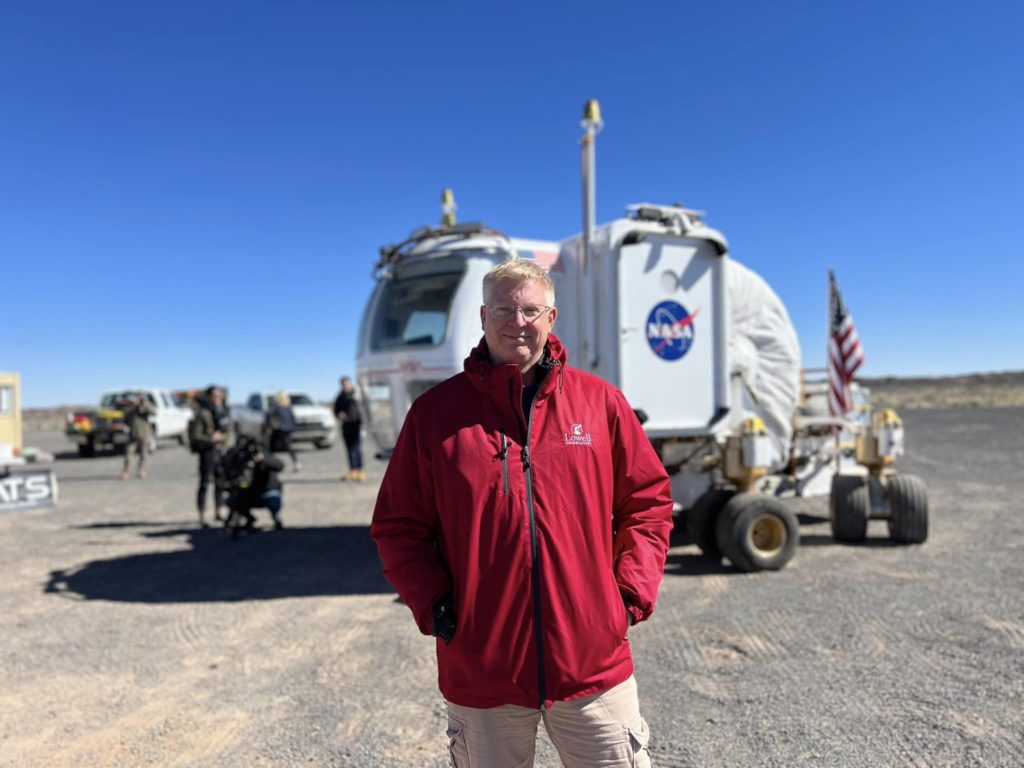
Kevin Schindler is the historian at Lowell Observatory – where he has worked for 28 years – and an active member of the Flagstaff history and science communities. He has written more than 600 magazine and newspaper articles on subjects ranging from local history and astronomy to baseball and the Lincoln Memorial, and contributes a bi-weekly astronomy column, “View from Mars Hill”, for the Arizona Daily Sun newspaper. He has written seven books, including Historic Tales of Flagstaff (written with Mike Kitt). Fun fact: Kevin has both a fossil crab and asteroid named after him.
Views: 4
The OCA board meeting will be conducted via Zoom at 11:30am on Sept 24,2023. This meeting is open to all OCA members in good standing. Please contact Alan Smallbone for the link for the meeting.
Views: 2
The monthly meeting of the Astrophysics Special Interest Group at 7:00 at the Heritage Museum. Please contact the SIG chair for details and requirements. See the Contacts section of the website for details on contacting the group.
Views: 2
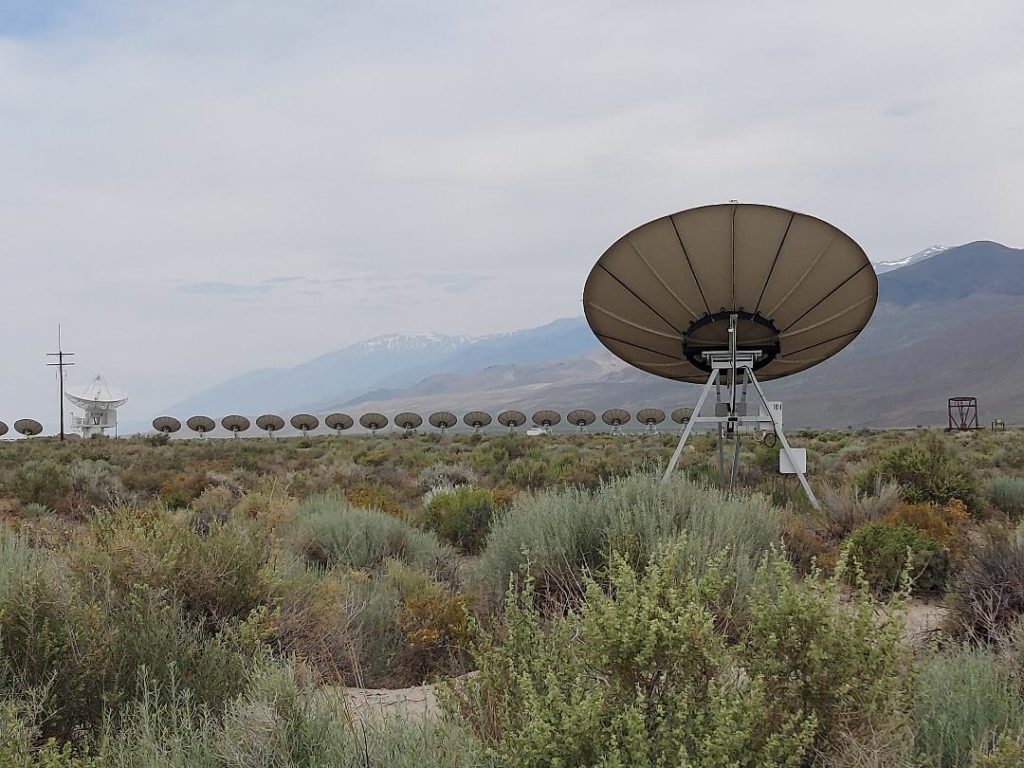
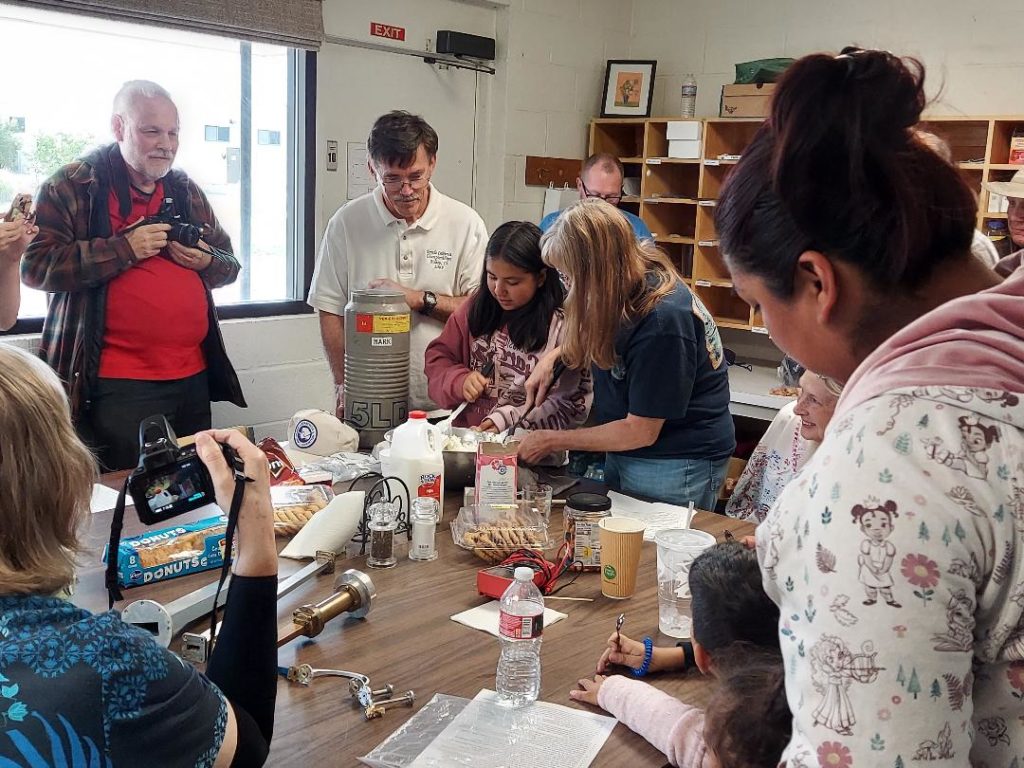
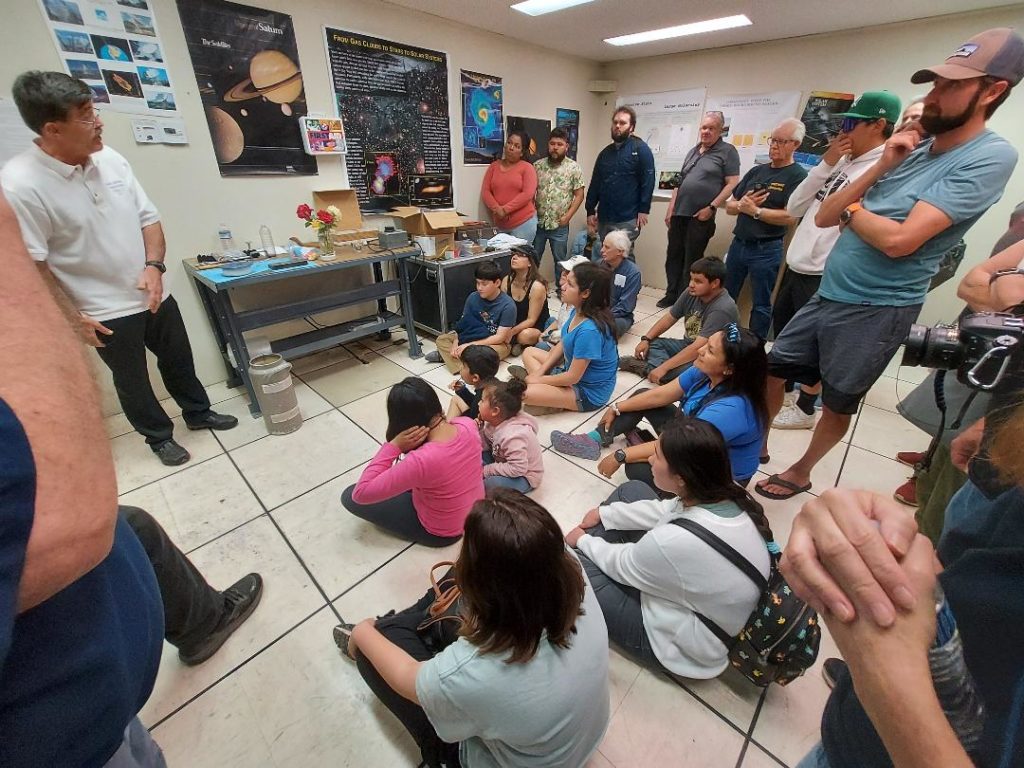
This summer we had about 40 people join us at OVRO for an exciting event. One of the new developments was to see the DSA 110 telescope being fabricated.
That is the above picture. Of course we had ice cream made with liquid nitrogen and toured the 40m dish as well as a planet walk.
We also did night time observing and both nights were clear and exciting
One of our new members, Dr. George Rothbart, from Marin Ca. brought an unusual telescope that he used for imaging. I thought it was so different that I asked him to do a write up on his experiences that we could share here.
Here is George’s story-
“It looks like an egg!”
That’s what I thought when I first saw a photo of the Vaonis Vespera telescope. No optical tube, no heavy tripod, no eyepieces, no focusing knob, no cables. Just a white oval shaped object with a single button (the power button) and a port for the charging cable.
And yet, it’s a telescope. My everyday scope is a Celestron 9.25” Evolution, so when I saw that the Vespera’s aperture was a measly 50 mm, I thought that would be a huge step backwards for me. What’s more, it’s not a reflector, but a refractor. That made me skeptical also.
But then I saw some of the images the little Vespera captures. Stunning!
The Vespera is certainly not for planetary exploration (however, the sun and the moon image quite nicely). Rather this device is mainly for Deep Space Objects (galaxies, clusters, nebula).
The Vespera is the next revolution in astrophotography. Everything is automated. Everything? Yes. Set the Vespera outside, level it and turn it on. Everything is controlled by a mobile app (“Singularity”) over a Wi-Fi connection. Vespera will initialize itself, align itself (it knows its GPS coordinates and time from the mobile phone), move to whatever object of interest you specify (by name, or by RA and DEC), and begin taking 10 second exposures while tracking the object.
But wait, there’s more: The Vespera controls the camera’s gain, collects the images and stacks the images for you, including compensation for field rotation. You see the stacked image forming in real time on your phone or ipad and can save the images to your photo albums.
The images are amazing: there is no chromatic aberration, no spherical aberration and no vignetting. The Vespera has its own built-in FTP server, so you can use your computer to pull the images (either the frames, or the stacked image, or both) and then post-process them in your favorite photo editor. I found that in almost every case the photo editor app that comes with the iPhone is all I really need to make the images pop.
One more feature: the Singularity app allows you to “program” an entire night’s capture by scheduling what you want to capture, when you want to capture it, and for how long. Start the process and either hang around while the images come in, or retire for the night and enjoy the amazing images waiting for you the next morning.
If you’re thinking “this takes all the fun out of astrophotography,” the Vespera might not be right for you. For me, this little marvel takes all the frustration out of astrophotography.
Here is a youtube video of some images I captured at the Owen’s Valley Radio Observatory facility this past June as well as some right from my backyard, so you can judge the finished product for yourself. For me, the Vespera has completely transformed how I observe and enjoy our vast and beautiful universe.
Learn more at vaonis.com.
Views: 3