This is a free and open to the public hybrid event, held both inperson and online.
Due to the newly effective insurance requirements, we regret that we can not allow people under 18 on the Chapman Campus, they are welcome to attend online.
This meeting’s speaker will present online from Washington, DC.
Extreme Astronomy
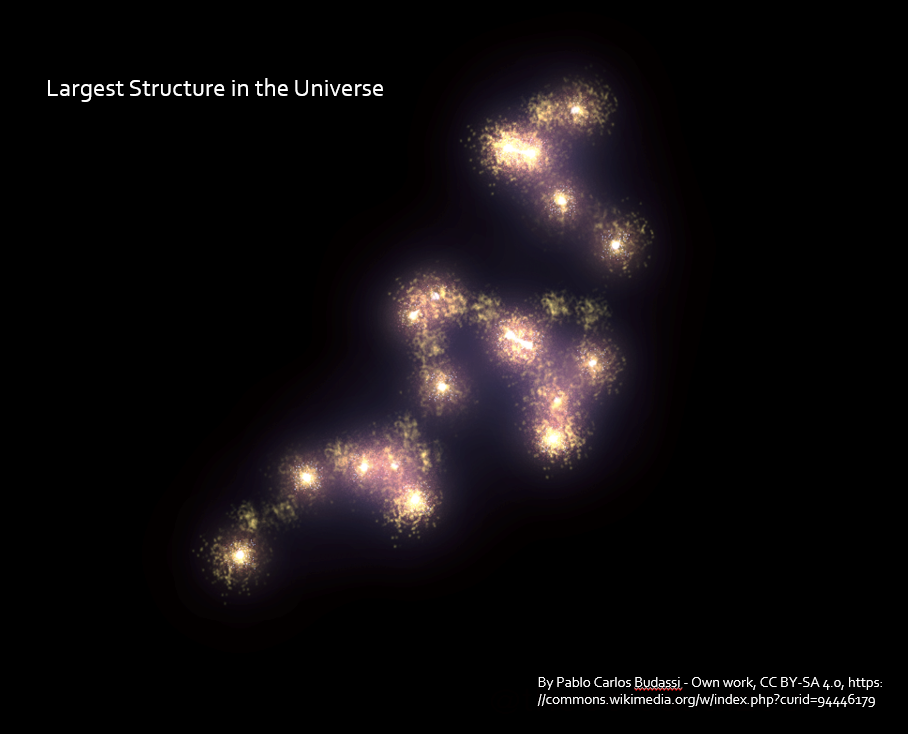
This program examines telescopes, space travel, planets, moons, mountains, stars, galaxies, clusters, and black holes in the quest to find the largest, highest, closest, furthest, hottest, coldest, most massive, brightest, and darkest among these various objects and also many firsts among astronomical discoveries and accomplishments.
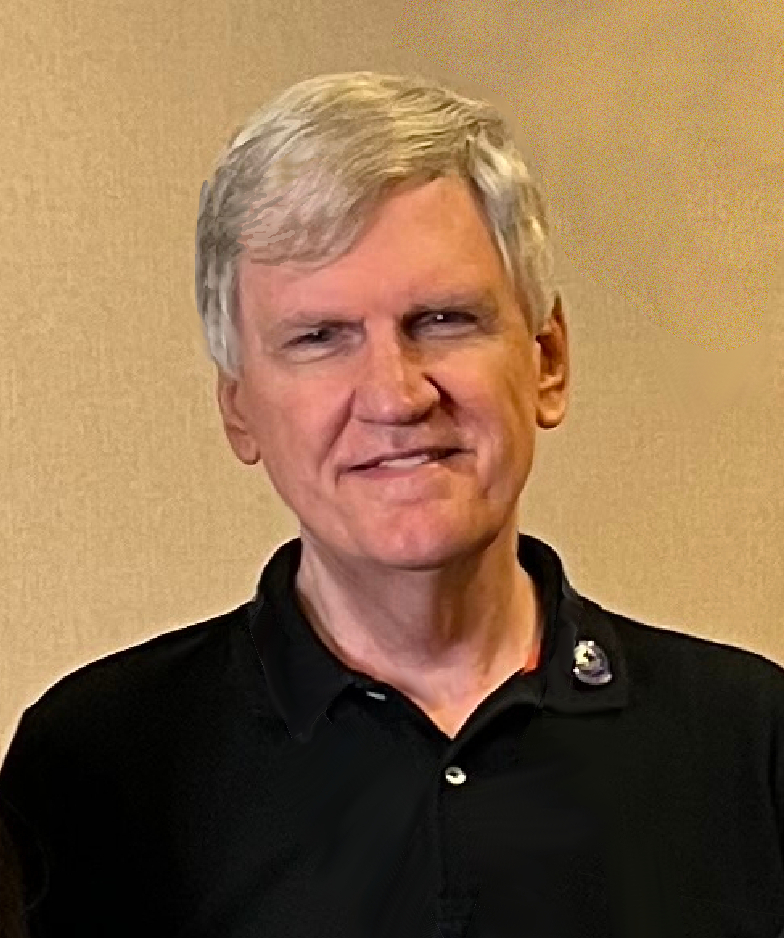
Charles E. Allen III (“Chuck”)
Chuck is current League Vice-President and a past League President (1998-2002). A League Lifetime Member, he founded the National Young Astronomer Award in 1991, received the G. R. Wright Award for service in 1998, holds the League’s Master Outreach Award with over 550 public programs to his credit, and earned the League’s master observer gold progression with 43 observing programs completed. He co-chaired ALCon ’21 Virtual and currently coordinates three League Observing Programs. Chuck is past-president of the Louisville Astronomical Society and current Program Director of the Evansville Astronomical Society. He is a past judge for the Intel (now Regeneron) International Science and Engineering Fair and served as a United State Air Force officer before entering the practice of law. He’s been an amateur astronomer since age 7.
Views: 5
This is a free and open to the public hybrid event, held both inperson and online.
Due to the newly effective insurance requirements, we regret that we can not allow people under 18 on the Chapman Campus, they are welcome to attend online.
This meeting’s speaker will present online from Washington, DC.
Data Driven Discovery
In Evolving Planetary Systems
A Mineral Informatics Approach
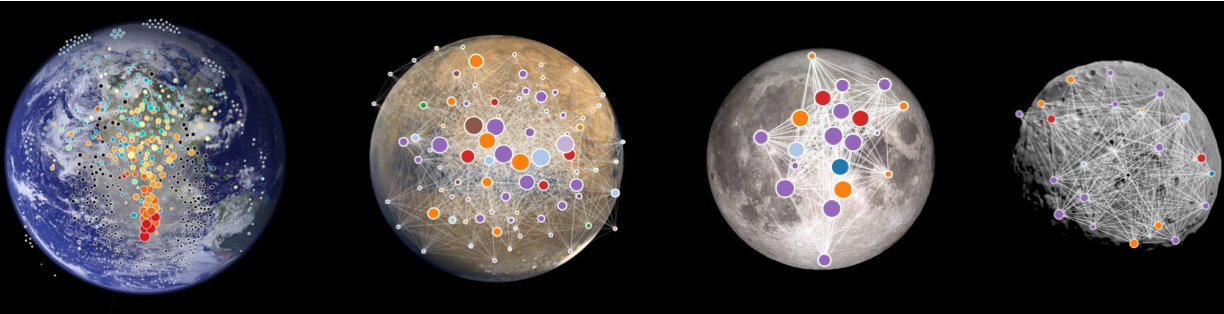
The key to answering many compelling and complex questions in Earth, planetary, and life science lies in breaking down the barriers between scientific fields and harnessing the integrated, multi-disciplinary power of their respective data resources. We have a unique opportunity to integrate large and rapidly expanding data resources, to enlist powerful analytical and visualization methods, and to answer multi-disciplinary questions that cannot be addressed by one field alone.
Rapidly expanding mineral data resources have created an opportunity to characterize changes in near-surface mineralogy through deep time and to relate these findings to the geologic and biologic evolution of our planet over the past 4.5 billion years. Data-driven studies employing advanced analytical and visualization techniques such as mineral ecology, network analysis, and association analysis, allow us to begin tackling big questions in Earth, planetary, and biosciences, including those related to (1) the relationships of mineral formation and preservation with large-scale geologic processes, such supercontinent assembly, the oxidation of Earth’s atmosphere, and changes in ocean chemistry. (2) The abundance and likely species of as-yet undiscovered mineral, as well as the probability of finding a mineral or mineral assemblage at any locality on Earth or another planetary body. (3) Exploring the possibility that Earth’s mineral diversity and distribution is a biosignature. (4) Characterizing the origins of all mineral species through the development of the Evolutionary System of Mineralogy – a system that will provide a framework for predicting the formational conditions of mineral species of unknown origin. (5) Lastly, integrating across disciplines and exploring ideas that one field alone cannot fully characterize (e.g., how the geochemical makeup of our planet affected the emergence and evolution of life, and, likewise, how life influenced chemical composition and geological processes throughout Earth history).
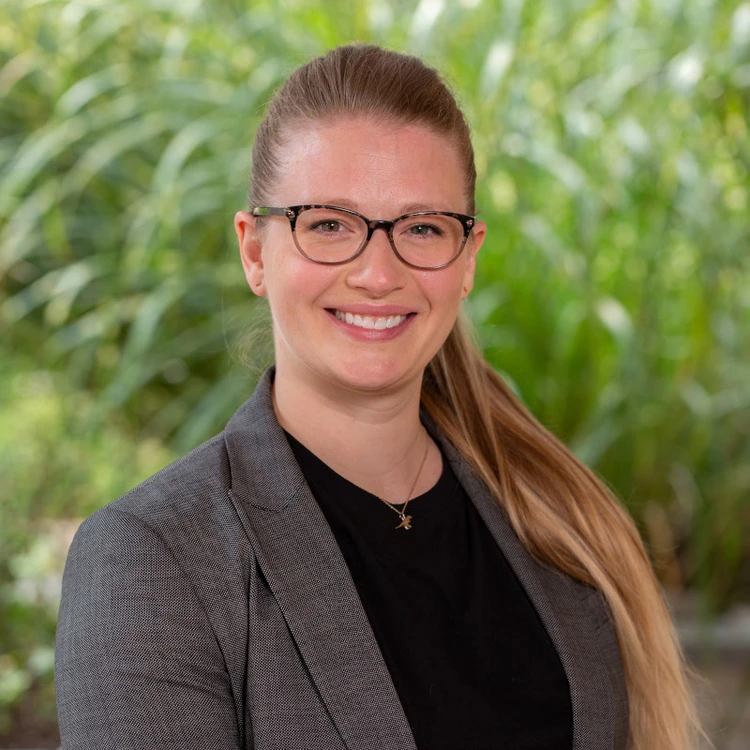
Shaunna M. Morrison is a mineralogist and planetary scientist with expertise in crystallography, crystal chemistry, and the application of data driven techniques. Morrison is the 4D (Deep Time Data Driven Discovery) Initiative Co-Director at the Carnegie Institution for Science’s Earth and Planets Laboratory, former Project Manager of the Carnegie led Deep-Time Data Infrastructure (DTDI), a Co-Investigator of the CheMin X-ray diffraction instrument on the NASA Mars Science Laboratory (MSL) mission, a collaborator on the NASA Astrobiology ENIGMA Project, a Co-Investigator of the NASA Astromaterials Data System, and a data contributor and collaborator of the RRUFF Project, including the Mineral Evolution Database (MED), and the Evolutionary System of Mineralogy Database (ESMD). Morrison builds on her technical and theoretical background in crystallography, crystal chemistry, and martian mineralogy, to explore new techniques in multidimensional, multivariate analysis and visualization by employing a range of advanced analytics and machine learning techniques to better understand the complex relationships among Earth and planetary materials, their formational environments through deep time, and their coevolution with the biosphere, including identifying and characterizing mineralogical signs of life.
Views: 1
Our traditional OCA Outreach program focused on events where volunteer club members brought telescopes to certain locations, generally schools or parks, for students, their families or members of the general public (depending on the location) to view through. The Outreach Coordinator was the contact for the schools or other entities that wanted to set up viewing events, managed the calendar, had a list of volunteers for these types of events, and would send out notices of upcoming Outreach events to the group of volunteers and determine who could cover the events that had been scheduled. At the events, the Coordinator or someone designated by the Coordinator would handle the logistics for the club’s part of the event – such things as making sure we had access to the viewing area, that we were setting up in the correct area, that area lights were out after the viewing started, etc. Jim Benet, who set up the program and streamlined how it was administered over the many years he ran it, has generously donated his software and other tools for handling all of these functions smoothly and easily. Although Jim handled all of the administration of the program himself, there is no reason that can’t be handled by a team instead of a single person.
That’s the kind of program we want to build again, an Outreach program that our club volunteers enjoy participating in as much as those who are doing the viewing. Are you interested in helping to get this kind of program going again? If so, we’d love to hear from you, whether you are interested in being the Coordinator for the program, in helping to administer the program in some other capacity, or in being a volunteer for Outreach events – please email OCA Secretary
Views: 15
If you enjoy social media and would like to help keep our accounts active, we are seeking a social media coordinator and would love to hear from you. We have a lot to tell people about OCA events and upcoming meetings as well as general astronomical information. We currently have Instagram, Facebook and X/Twitter accounts. There is a lot of flexibility in what can be done with this volunteer role. If you are interested, please contact our webmaster.
Views: 4
May 5 at 11:30am is the next scheduled board meeting to be held via Zoom. The meeting is open to all OCA members in good standing. If you want to attend contact the Secretary, Alan Smallbone and link will be sent for the meeting.
Views: 3
March 3 at 10:30am is the next scheduled board meeting to be held via Zoom. The meeting is open to all OCA members in good standing. If you want to attend contact the Secretary, Alan Smallbone and link will be sent for the meeting.
Views: 1
This is a free and open to the public online event.
Come and socialize with your fellow astronomy enthusiasts face-to-face virtually!
Bring your latest astrophotography, mini-presentation, questions or none and your own refreshments.
Views: 0
This is a free and open to the public hybrid event, held both inperson and online.
Due to the newly effective insurance requirements, we regret that we can not allow people under 18 on the Chapman Campus, they are welcome to attend online.
This meeting’s speaker will present online from Waterloo, Canada.
Cosmic Mirages: Seeing Dark Matter
with Gravitational Lenses
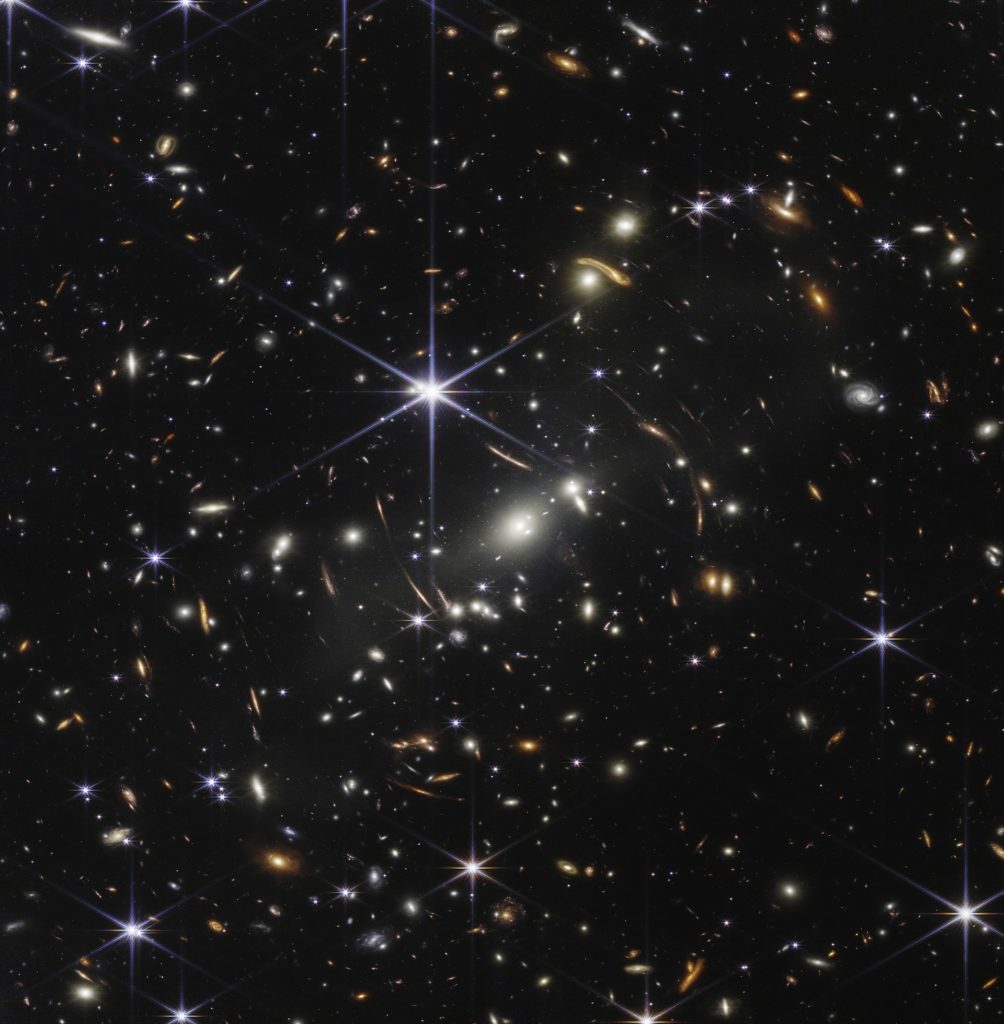
Most of the matter in the Universe is dark matter: an elusive particle that is completely invisible. But we can “see” this matter by studying how it distorts the light from galaxies in the distant Universe, a phenomenon called gravitational lensing. I will give a whirlwind tour of gravitational lensing’s “greatest hits” showing how it can be used as a tool to understand some of the most mysterious things in the Universe: from black holes to the “cosmic web” of dark matter that links galaxies together.
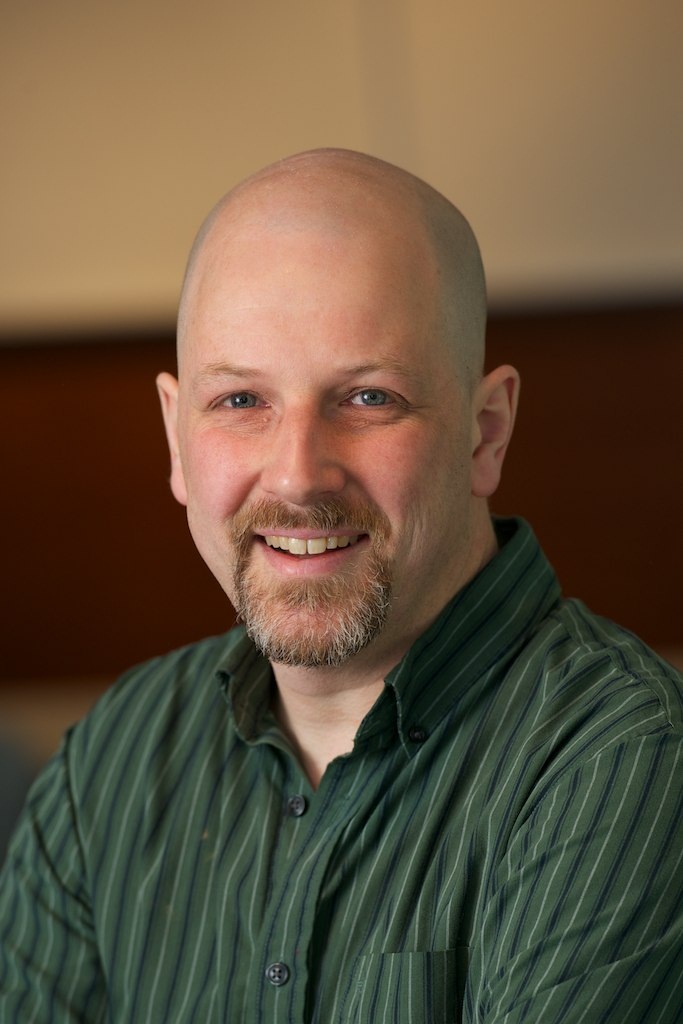
Mike Hudson received his Ph.D. from the Institute of Astronomy, University of Cambridge in 1993 where studied the expansion of the Universe. He did post-doctoral research work at Durham University and at the University of Victoria in Canada, where he was a National Fellow of the Canadian Institute of Theoretical Astrophysics. In 1999, he moved to the University of Waterloo, where he is currently Professor. His scientific interests include the nature of dark matter and dark energy, how the Universe expands, and how galaxies form and evolve. He can be found on Twitter as @MikeHudsonAstro
Views: 2
The monthly meeting of the Astrophysics Special Interest Group is at 7:00 PM every third Friday of the month at the Heritage Museum of Orange County. Please contact the ASIG chair for details at mark@ocastronomers.org .
Views: 2
This is a free and open to the public event (in person event only)
The 6th session of the Beginners Astronomy Class covers the basics of astrophotography, covering different types of imaging, how different types of cameras are used for this kind of photography, and other equipment and considerations for taking a good picture.
This session is taught by Kyle Coker, who is active in the club’s AstroImaging special interest group.
Free and open to the public as well as members of OCA.
For details, please visit here and download the sample information PDF package.
Views: 4