OCA Outreach – Portola Springs Elementary
Posted on by Martin ChristensenViews: 3

Views: 3
Outreach is back up and running after a hiatus. Martin Christensen has graciously volunteered to be our new Outreach Coordinator. A big welcome to Martin, who is a long term member and previous outreach volunteer. Martin can be contacted with the information posted under Contacts on the web site. Our first Outreach is planned for June 21 in Brea with the Girl Scouts and we need some volunteers. If you would like to help out contact Martin and bring your scope and show off the night sky.
Views: 52
The biggest drawback is a moon that is one day past full. I inquired about new moon dates, but Erin said that her schedule for those dates is full.
Some of the northern and eastern sky is blocked off by a nearby bluff, but, in a kind of exchange, the whole southern horizon is wide open, offering people a view of targets rarely seen from Orange County. Polaris should be visible, although it is fairly close; the northern horizon is at an elevation of about 29 degrees. And, if you get there early enough and are able to align your scope before the guests begin arriving, you may be able to witness the grunion run itself. We will be only about 100 feet from the high-water mark.
Views: 2
It is with great reluctance that I must cancel the scheduled OCA Outreach at Castille Elementary School in Mission Viejo scheduled for today at 7:00 PM. However, the Weather Channel forecast for the city indicates in excess of 70 percent cloud cover for the entire period of the event, and we cannot have an outreach with that much cloudiness.
Martin Christensen
Outreach Coordinator, OCA
Views: 1
Views: 1
The OCA Board will be having their next board meeting on July 28, 2024 at 11:30am via zoom. Current members may attend, contact Alan Smallbone the OCA secretary for a link.
Views: 2
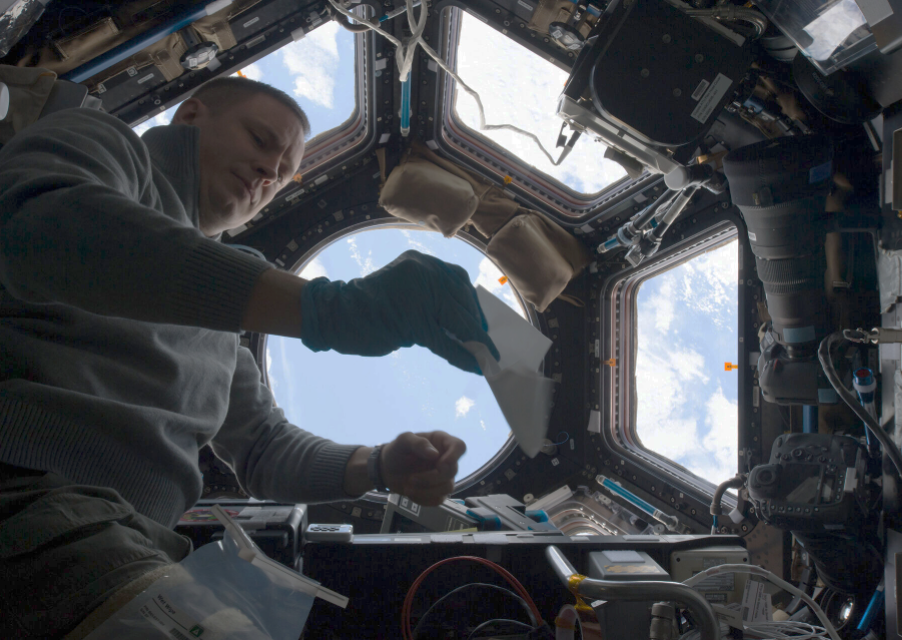
The spread of antimicrobial resistance depends on many factors, including previous exposure of microorganisms to antimicrobial disinfectants. Antimicrobial resistance in the environment ultimately translates into a human health risk. While antimicrobial chemical disinfection is used to prevent infection by pathogenic organisms, it can inadvertently select for antimicrobial resistance. Disinfectants are not only used in hospitals and homes on Earth, but also on the International Space Station (ISS).
To protect crew health, cleaning the ISS primarily using a disinfectant containing the quaternary ammonium compound benzalkonium chloride (BAC) has been done for decades. BAC is not only found in disinfectants, but a range of products from consumer antibacterial hand soap to dryer sheets. Due to its widespread use, BAC has been detected throughout the indoor and natural environment, where it has been linked to antimicrobial resistance. BAC use on Earth has increased dramatically in the past few years, so findings on the ISS may also be indicative of changes in our Earth-based indoor microbiomes. To investigate the relationship between BAC disinfectant use and antimicrobial resistance, Staphylococcus spp. isolates collected between 2009 and 2015 from the ISS were examined. Whole genome sequencing identified multiple BAC resistance genes in addition to resistance to other compounds.
This work highlights the importance of considering the long-term impact of antimicrobial disinfection when selecting cleaning products. Additionally, the benefits of specific products to human health must be weighed against their ability to select for resistance and the long-term risk that then emerges. Examining a range of Staphylococcus spp. isolates for resistance markers has given us a greater understanding of how tolerance varies with specific BAC genes in the indoor environment. Additionally, the ISS environment and long-term BAC disinfection seems to select for BAC tolerance. Further work is needed to understand if there are differences between the frequency of BAC resistance genes in the ISS compared to Earth-based environments.
here are links to a formal research paper about resistance on the International Space Station written by a previous lab member (for those interested in scientific journal style writing on this topic), and a more informal op-ed on use of cleaning chemicals and its relationship to antibiotic resistance.
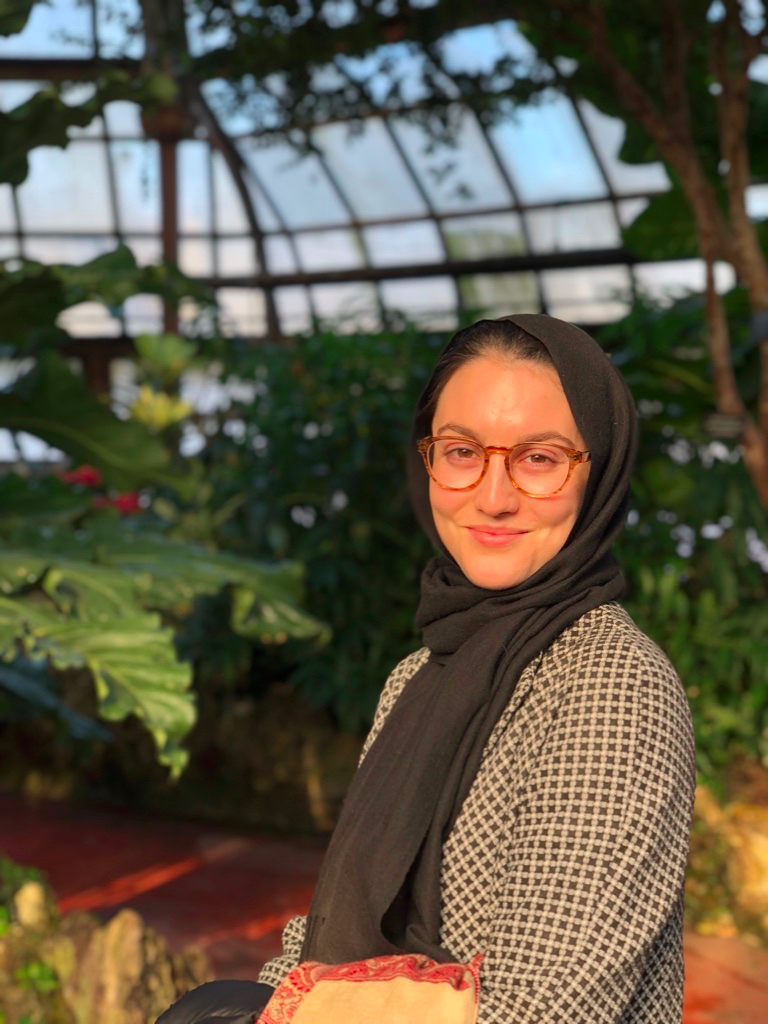
Olivia is an environmental engineer interested in fundamental rules that govern how microbes adapt to their environment. She received her Bachelor’s degree in Civil and Environmental Engineering from University of Maryland, College Park where her research focused on optimizing developments to minimize stormwater flooding. She then moved to England to study in the Environmental Engineering Master’s degree program at Imperial College London. Her dissertation focused on barriers to the implementation of novel microbial wastewater treatment in Serbia. After completing her Master’s, she spent a year working in industry as a consultant engineer for drinking water projects before returning to academia. Olivia recently completed her PhD in Environmental Engineering at Northwestern University in the Hartmann Lab where her research focused on how disinfectant use impacts antimicrobial resistance and strategies to combat the resistance trend.
Views: 4
This is a free and open to the public online event.
Come and socialize with your fellow astronomy enthusiasts face-to-face virtually!
Bring your latest astrophotography, mini-presentation, questions or none and your own refreshments.

Views: 0
June 7th Star Party
June 8th Tour & Activities starting 1:00pm followed by a Star Party
Science Beyond The Book
With Dr. Doug Millar and Cecilia Caballero
For more information, please contact Dr. Millar
Views: 3
This is a free and open to the public online event.
Come and socialize with your fellow astronomy enthusiasts face-to-face virtually!
Bring your latest astrophotography, mini-presentation, questions or none and your own refreshments.
Views: 1