This is a free and open to the public event (in person event only)
The 6th session of the Beginners Astronomy Class covers the basics of astrophotography, covering different types of imaging, how different types of cameras are used for this kind of photography, and other equipment and considerations for taking a good picture.
This session is taught by Kyle Coker, who is active in the club’s AstroImaging special interest group.
Free and open to the public as well as members of OCA.
For details, please visit here and download the sample information PDF package.
Event is held at Orange Coast College, Building 40, Astronomy House.
Parking is $5.35 for a virtual daily parking permit and can only be paid online or by app at this time. There is no kiosk at the parking lot.
For instructions click on:
Scroll down to: PURCHASE VIRTUAL DAILY PARKING PERMITS. You want LOT E which is ZONE 92847.
Click on the link for PassportParking.com to pay online. Go to the Menu and click on the PayOnline Button and follow the prompts. If you want to download the app, also usable at many other locations in the region and in the US, please follow the instructions provided by the App.
Views: 3
This is a free and open to the public event (In-person event only).
The 5th session of the Beginners Astronomy Class is the “How to Use Your Telescope”.
If you have a telescope and would like some help learning to set it up and use it, attend this Hands-on class.
For details, please visit here and download the sample information PDF package.
Event is held at Orange Coast College, near Building 40, Astronomy House.
Parking is $5.35 for a virtual daily parking permit and can only be paid online or by app at this time. There is no kiosk at the parking lot.
For instructions click on:
Scroll down to: PURCHASE VIRTUAL DAILY PARKING PERMITS. You want LOT E which is ZONE 92847.
Click on the link for PassportParking.com to pay online. Go to the Menu and click on the PayOnline Button and follow the prompts. If you want to download the app, also usable at many other locations in the region and in the US, please follow the instructions provided by the App.
Views: 1
This is a free and open to the public online event, to attend please register with zoom by clicking here at or after 7:10pm.
The 4th session of the Beginners Astronomy Class covers the science behind the telescope.
How do our eyes actually perceive objects we see in the telescope and what is the physics that allows that perception.
For details, please visit here and download the sample information PDF package.
Views: 1
This is a free and open to the public online event, to attend please register with zoom by clicking here at or after 7:10pm.
The 3rd session of the Beginners Astronomy Class covers different methods of finding objects in the night sky. Special topic is learning the constellations.
For details, please visit here and download the sample information PDF package.
Views: 1
This is a free and open to the public online event, to attend please register with zoom by clicking here at or after 7:10pm.
The 2nd session of the Beginners Astronomy Class covers the different types of equipment used to observe the night sky, including telescopes, mounts, eyepieces, filters, and advantages and disadvantages of different options.
This session is a must if thinking about buying a telescope.
For details, please visit here and download the sample information PDF package.
Views: 5
This is a free and open to the public online Zoom event, to attend please click here at or after 7:10pm
The 1st session of the Beginners Astronomy Class gives a general overview of all of the different objects you can see in the night and day time skies, with some history and information about what they are and their significance. An overview of the current scientific understanding of the Universe’s beginning, present and future is also covered.
For details, please visit here and download the sample information PDF package.
Views: 0
The star party and Star B Que are cancelled due to fire and mandatory evacuation order. Please do not try to drive to star party Any question please contact any board member.
The August 3rd star party is also the annual Star-B-Que,which is a pot-luck dinner and gathering in front of the OCA Observatory at Anza. It is open to all members and their guests. Please bring something to share with your fellow astronomers and chair to sit on and join us in front of the club observatory. Come on up around 5pm, sunset is at 7:49pm. Enjoy some food and the company of your fellow astronomers. Any questions contact any board member.
See you all there……
Views: 2
This is a free and open to the public hybrid event, held both inperson and online.
Due to the newly effective insurance requirements, we regret that we can not allow people under 18 on the Chapman Campus, they are welcome to attend online.
This meeting’s speaker will present online from Tucson, AZ.
The Dynamic Eclipse Broadcast Initiative,
and follow up projects!
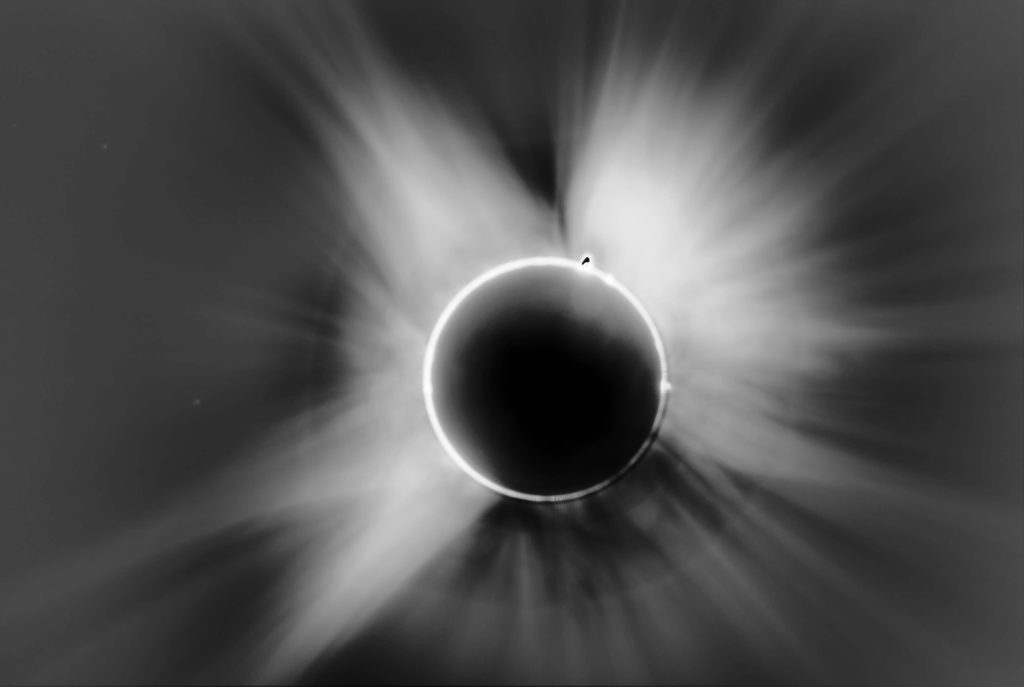
The Dynamic Eclipse Broadcast (DEB) Initiative was a citizen science project for the 2024 total solar eclipse which transited North America on 8 April 2024. Nearly 400 citizen volunteers observed the eclipse with a set of standard equipment from about 70 location both inside and outside the path of totality. During the partial eclipse phases, each site uploaded a processed solar image at a cadence of 1 per minute to our web page. For those sites located in the path of totality, the volunteers collected a set of 5 different exposures every 5 seconds and then uploaded this data to our central repository. These coronal images are currently being processed with the goal of measuring the acceleration of coronal plasma in the inner corona.
The organization and training of the DEB volunteers, their experiences on the day of the eclipse, and the current status of the data analysis will be discussed. In addition, the DEB Initiative follow-up projects which explore white light solar flares, variable stars and asteroid observations will be discussed with the aim of inspiring more people to join our volunteer community.
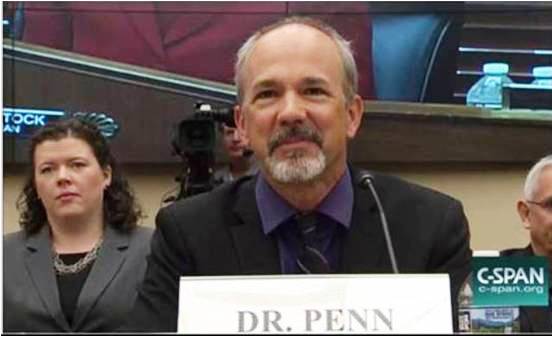
Matt Penn became interested in astronomy when his parents bought a 3″ Newtonian telescope for him while he was in 6th grade. While getting his undergraduate degree in astronomy at Caltech, Penn did his senior research project using solar oscillations data and began a career in solar physics research. After getting his PhD from the University of Hawaii in 1992, Penn worked with dozens of students, published more than 70 peer-reviewed research papers and developed a citizen science project for the 2017 total solar eclipse. Leaving the research field in 2018, Penn stayed with his family in Tucson AZ and is currently an electro-optical engineer. He holds two patents in the field of image processing. Penn continues to publish research papers in the field of astronomy as a hobby, and enjoys hiking and travel.
Views: 6
