Private Outreach – Cerro Villa Middle School, Villa Park
Posted on by Martin ChristensenViews: 1

Views: 1
Views: 0
This is a free and open to the public event (in person event only)
The 6th session of the Beginners Astronomy Class covers the basics of astrophotography, covering different types of imaging, how different types of cameras are used for this kind of photography, and other equipment and considerations for taking a good picture.
This session is taught by Kyle Coker, who is active in the club’s AstroImaging special interest group.
Free and open to the public as well as members of OCA.
For details, please visit here and download the sample information PDF package.
Event is held at Orange Coast College, Building 40, Astronomy House.
Look for Planetarium Parking, LOT E.
Views: 50
This is a free and open to the public event (In-person event only).
The 5th session of the Beginners Astronomy Class is the “How to Use Your Telescope”.
If you have a telescope and would like some help learning to set it up and use it, attend this Hands-on class.
For details, please visit here and download the sample information PDF package.
Event is held at Orange Coast College, near Planetarium.
Look for Planetarium Parking, LOT E
Views: 6
This is a free and open to the public online event, to attend please register with zoom by clicking here at or after 7:10pm.
The 4th session of the Beginners Astronomy Class covers the science behind the telescope.
How do our eyes actually perceive objects we see in the telescope and what is the physics that allows that perception.
For details, please visit here and download the sample information PDF package.
Views: 4
This is a free and open to the public online event, to attend please register with zoom by clicking here at or after 7:10pm.
The 3rd session of the Beginners Astronomy Class covers different methods of finding objects in the night sky. Special topic is learning the constellations.
For details, please visit here and download the sample information PDF package.
Views: 4
This is a free and open to the public online event, to attend please register with zoom by clicking here at or after 7:10pm.
The 2nd session of the Beginners Astronomy Class covers the different types of equipment used to observe the night sky, including telescopes, mounts, eyepieces, filters, and advantages and disadvantages of different options.
This session is a must if thinking about buying a telescope.
For details, please visit here and download the sample information PDF package.
Views: 4
This is a free and open to the public online Zoom event, to attend please click here at or after 7:10pm
The 1st session of the Beginners Astronomy Class gives a general overview of all of the different objects you can see in the night and day time skies, with some history and information about what they are and their significance. An overview of the current scientific understanding of the Universe’s beginning, present and future is also covered.
For details, please visit here and download the sample information PDF package.
Views: 6
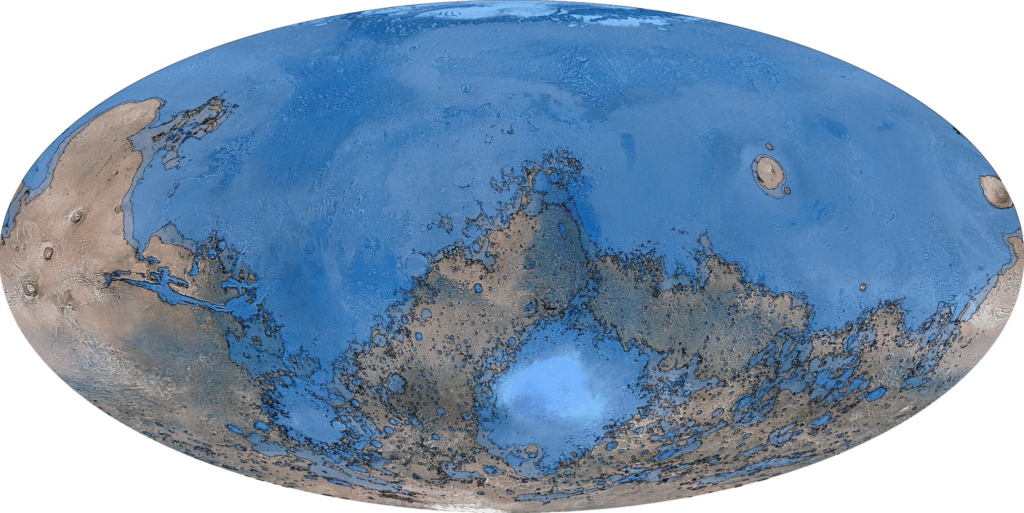
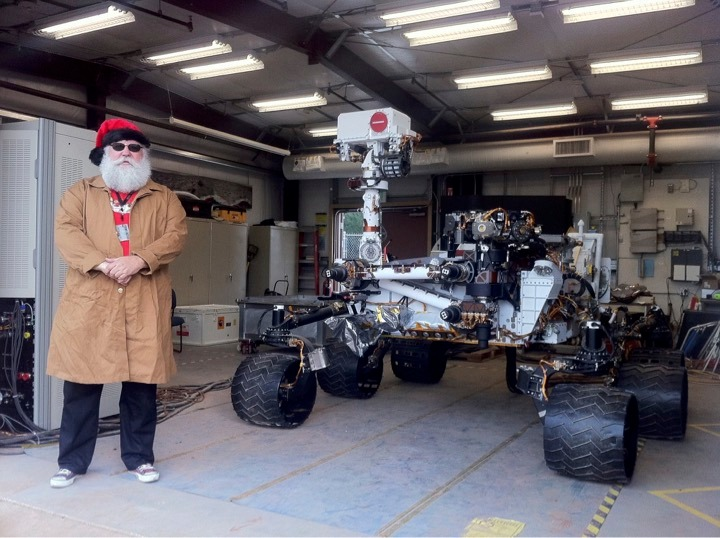
Tim Parker began working at JPL as a consultant and a contractor in January 1981. He carried his experience mapping geomorphology in Utah and Nevada for the Air Force’s MX Missile siting program, to his search for evidence of what might have happened to the flood waters from Mars’ catastrophic flood channels, using Viking Orbiter data. By the mid-1980s, Parker had developed a hypothesis suggesting that Mars had an ancient ocean that left behind familiar lakeshore landforms, comparable to those of Pleistocene lakes Bonneville and Lahontan. In 1987, Parker became a JPL employee. He has worked on numerous planetary missions, including CRAF (Comet Rendezvous/Asteroid Flyby), MRSR (Mars Rover Sample Return study), Magellan Venus orbiter, Mars Pathfinder, Mars Exploration Rovers (Spirit and Opportunity), Mars Science Laboratory (Curiosity), Initial Heliscout (later became Inegnuity), Mars Science Helicopter study, and Mars 2020 (Perseverance). Beginning with the Mars Global Surveyor mission in 1997, a flood of new, high-resolution imagery and topography data has become available for Mars, enabling Parker to further refine and update the ocean hypothesis. Parker is continuing that work in retirement.
Views: 4
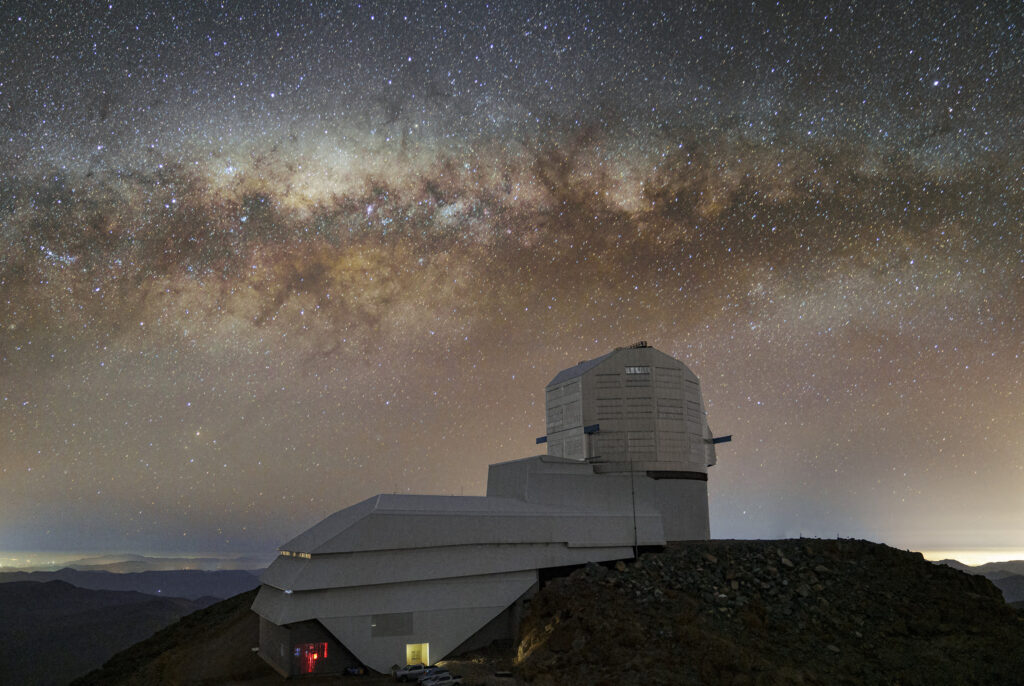
Vera C. Rubin Observatory will begin operation late this year. The observatory will employ a number of innovative technologies while conducting a ten-year survey of the southern sky, providing access to a vast data set that will enable an unprecedented number of discoveries. Learn more about this amazing new observatory and the types of science it will support.
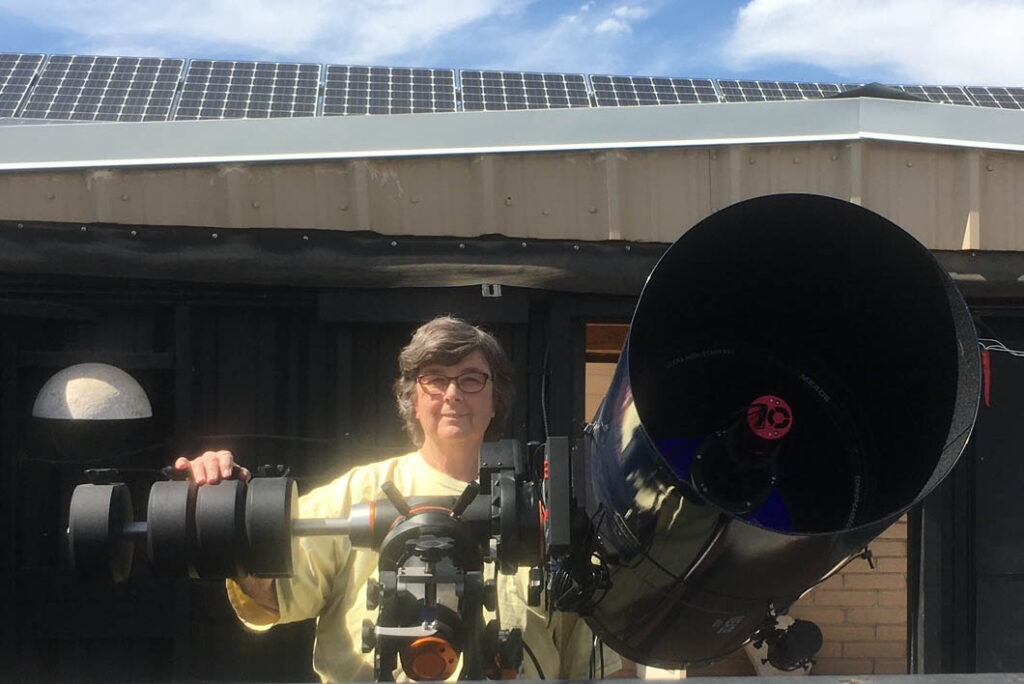
Ardis Herrold is the Senior Education Specialist for Rubin Observatory. She oversees the Rubin Observatory Education program, which includes creation of classroom investigations using authentic data, teacher support materials, and teacher professional development.
Prior to joining Rubin Observatory, Ardis taught physical, Earth, and space sciences at the high school and college level, as well as working in planetariums and observatories. Ardis is a Past President of the National Earth Science Teachers Association and twice Past President of the Michigan Earth Science Teachers Association. A lifelong amateur astronomer, she has a personal observatory near Tucson, AZ, where she enjoys imaging deep sky objects, comets and supernovae.
Views: 4